


For brands and retailers, that makes responsible beauty considerably more than an ESG or communications issue.
"The greatest opportunity for beauty brands is to convert transparency, expertise and responsible practices into trust and long-term loyalty," says Faouri.
Saudi shoppers increasingly research products, compare reviews, validate ingredients and seek expert reassurance. Brands able to simplify that process through clear ingredient information, credible claims and personalised guidance therefore have an opportunity to strengthen loyalty while supporting premium positioning.
But increased scrutiny creates risk too. When information is missing, claims appear inconsistent or confidence in a product diminishes, NielsenIQ finds that consumers are prepared to switch channels.
International brands already demonstrate different elements of this transition.
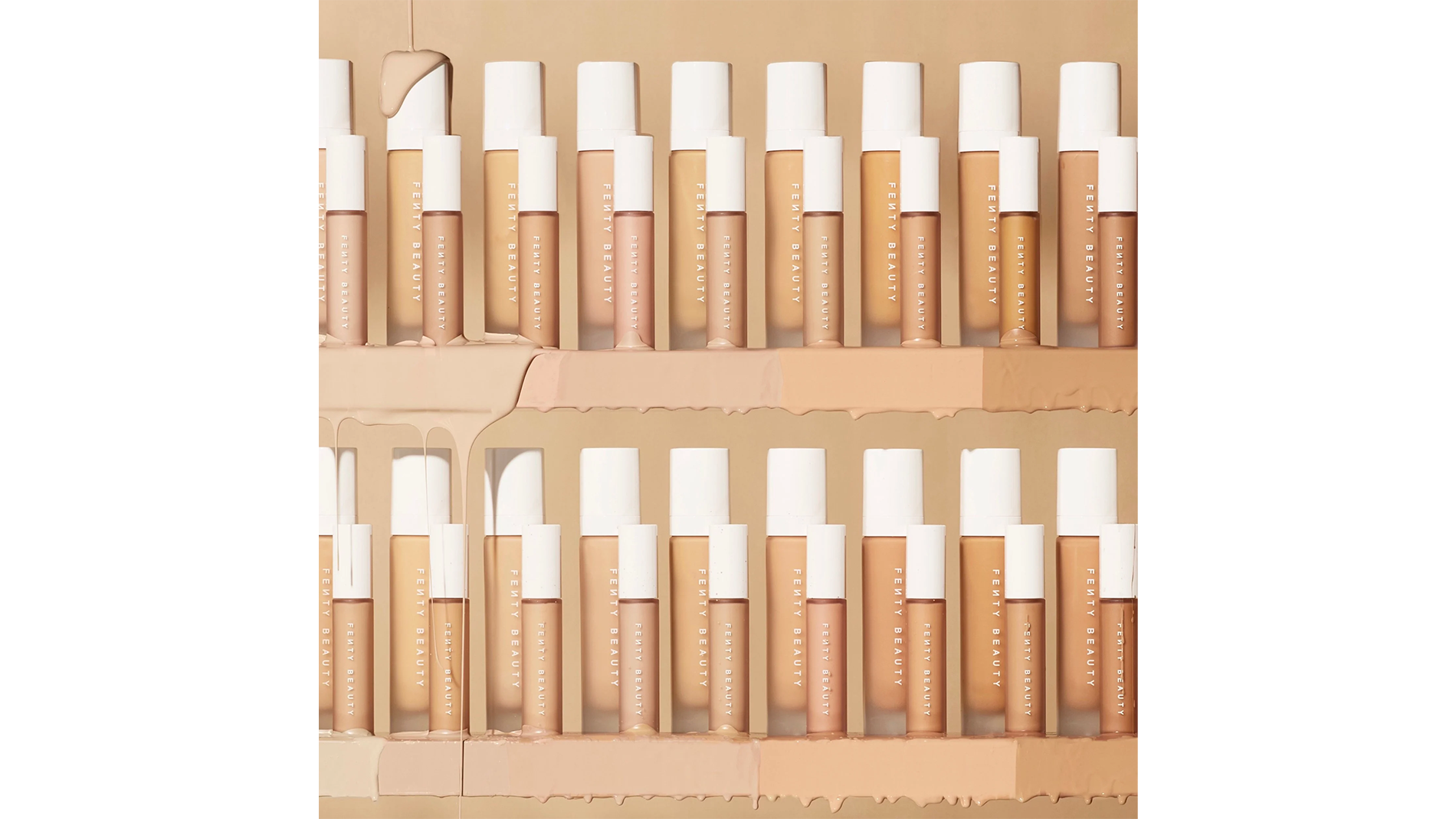
Fenty Beauty helped make inclusivity a product-development issue rather than simply a marketing message, notably through a foundation portfolio developed to serve a far broader spectrum of skin tones.
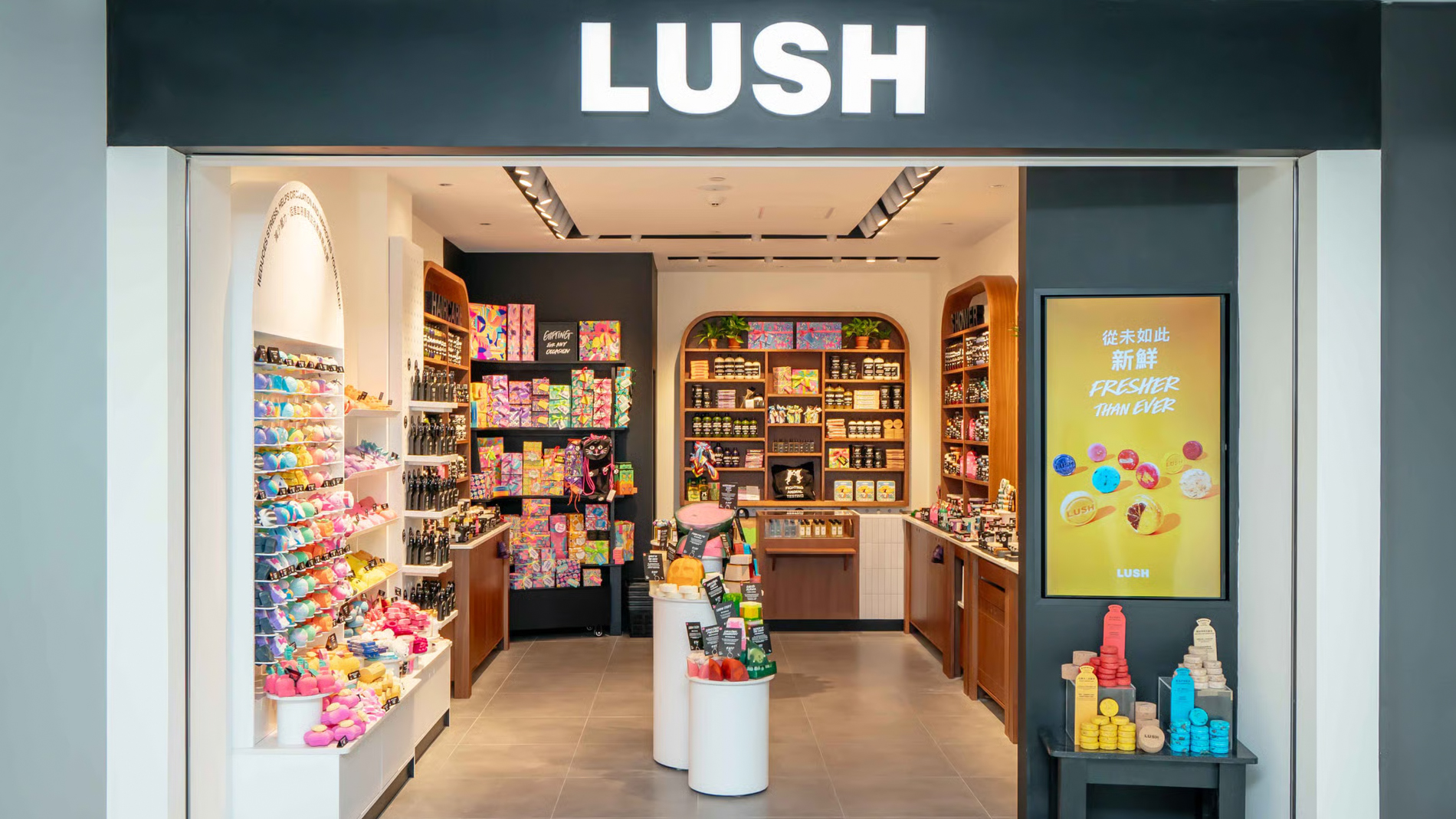
Lush provides another model, embedding responsibility deeper into sourcing and product design through its approach to ethical buying, supplier relationships and packaging reduction.
Meanwhile, Dove has extended the accountability conversation into artificial intelligence, pledging not to use AI-generated imagery in place of real women. The move illustrates how responsible beauty is expanding beyond environmental considerations into questions around digital authenticity, representation and trust.