

Nowhere is this changing relationship with luxury more apparent than fragrance.
Euromonitor identifies fragrance as one of beauty's fastest-growing categories globally, propelled by its relationship with self-expression and mood as well as its position as an accessible indulgence.
At the same time, Middle Eastern fragrance culture is becoming increasingly international.
“Oud, saffron and amber, a preference for higher fragrance concentrations, and the tradition of fragrance layering” are among the regional influences Abbas identifies as increasingly shaping global innovation.
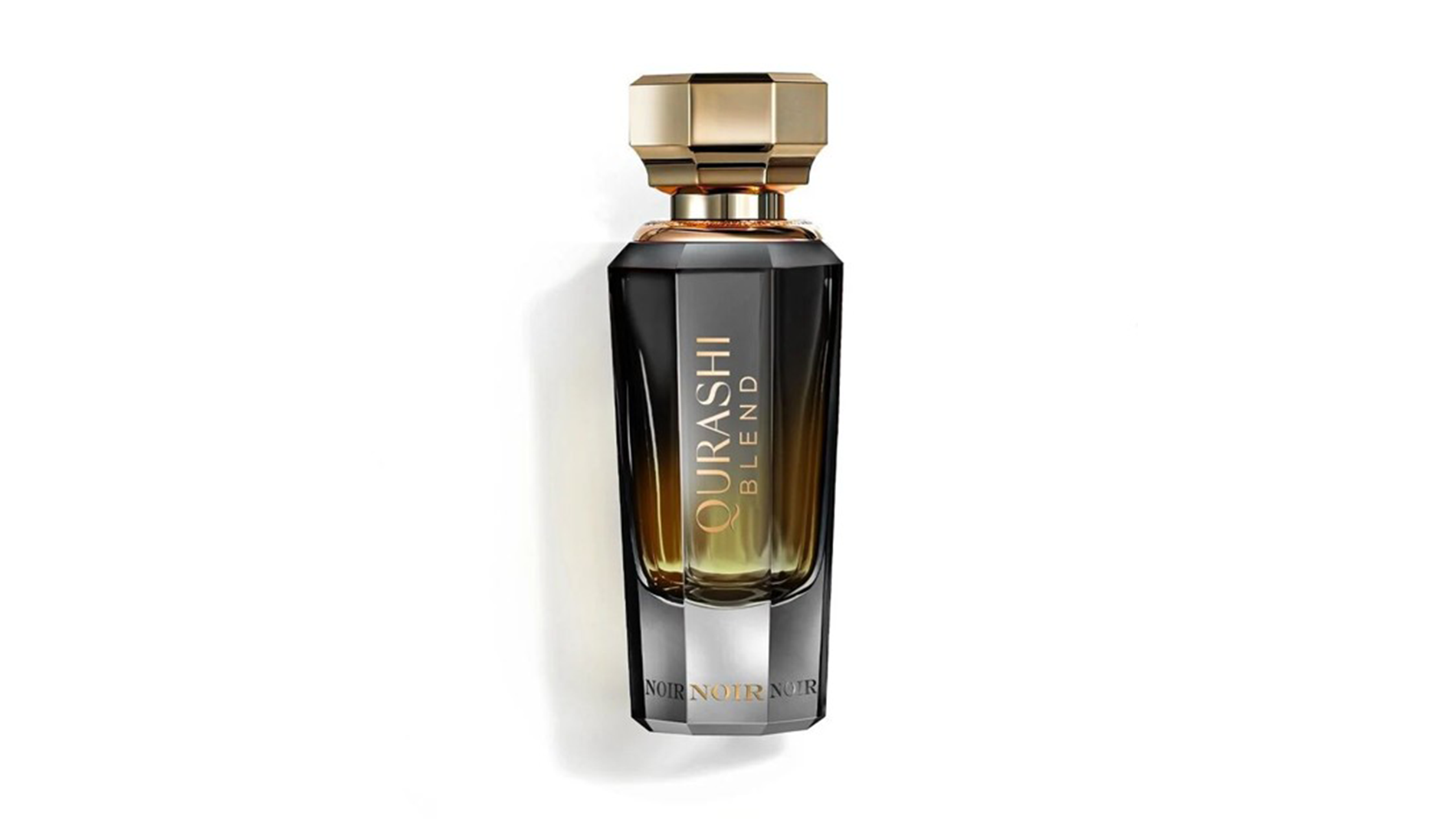
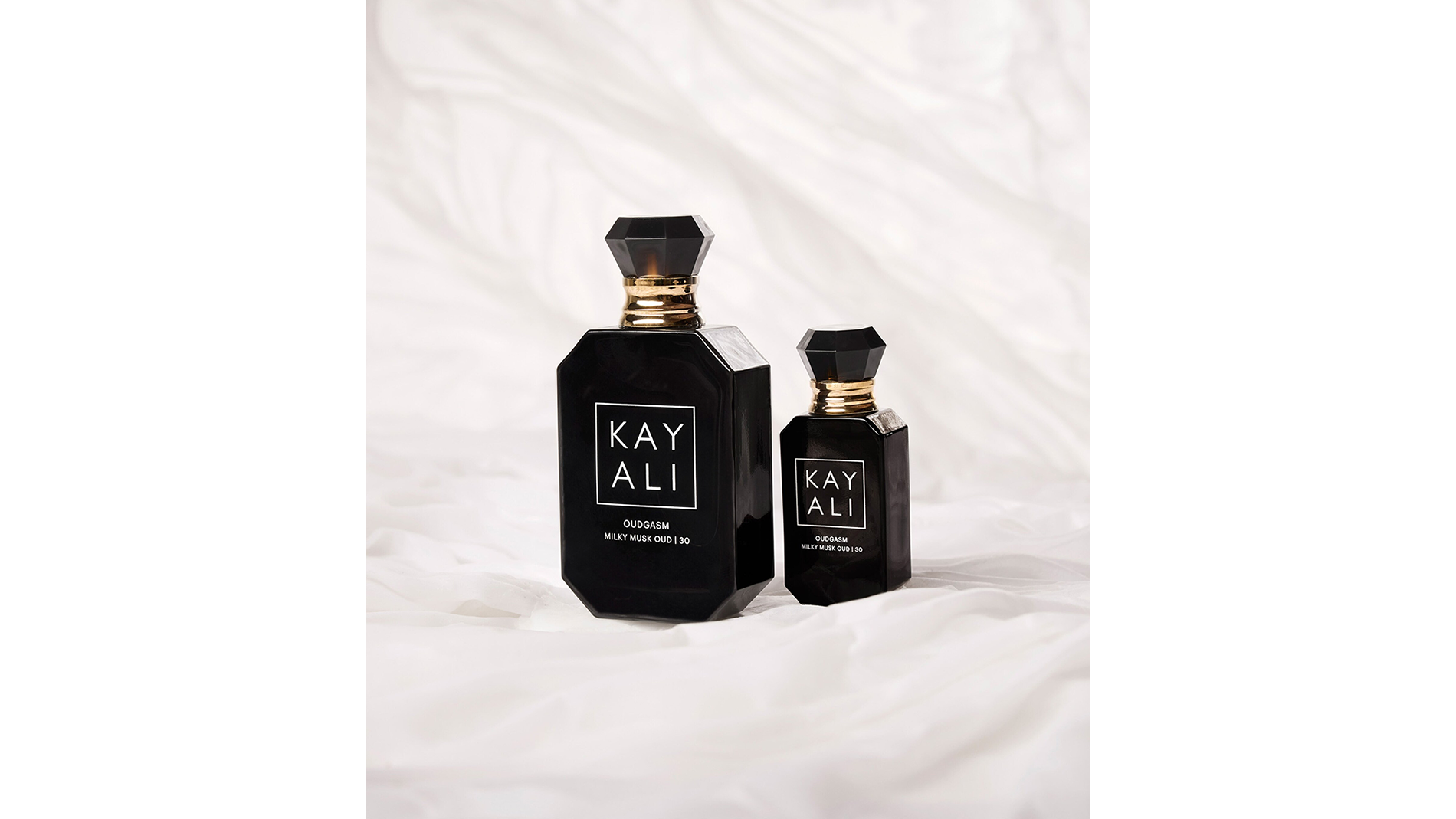
Brands including Arabian Oud, Abdul Samad Al Qurashi and Kayali are exposing international consumers to long-lasting scent profiles grounded in Middle Eastern fragrance traditions. Kayali itself actively encourages consumers to layer its fragrances to create individual scents, turning perfume into something participatory rather than prescribed.
This represents a potentially significant change in the direction of influence. The Middle East is not simply consuming international fragrance trends. Increasingly, it is creating and exporting them.
And the influence extends beyond luxury price points. Abbas highlights Dubai-based Lattafa as another important example, combining Arabian fragrance influences with competitive pricing, e-commerce reach and growing popularity in international markets, including Latin America.
Fragrance therefore offers a compelling example of how cultural authenticity can become commercially scalable.